
Digital Marketing Updates (July 13–17, 2026): Unified AI-SEO Wins, Recommendation Signals, GEO Citations & Google’s Click Cover-Up
 Webspero Content Team
Published: July 20
Webspero Content Team
Published: July 20
Webspero Content Team
Published: July 20
Webspero Content Team
Published: July 20
Brands unifying SEO and AI visibility gain twice the traffic of those managing it separately; AI recommendations now hinge on brand chatter rather than rankings; original research is the only content AI trusts enough to cite; Meta automates catalog ads at the individual-shopper level, and Google quietly uses social numbers to soften the blow of falling search clicks.
Here’s everything that happened this week and what it means for your marketing strategies.
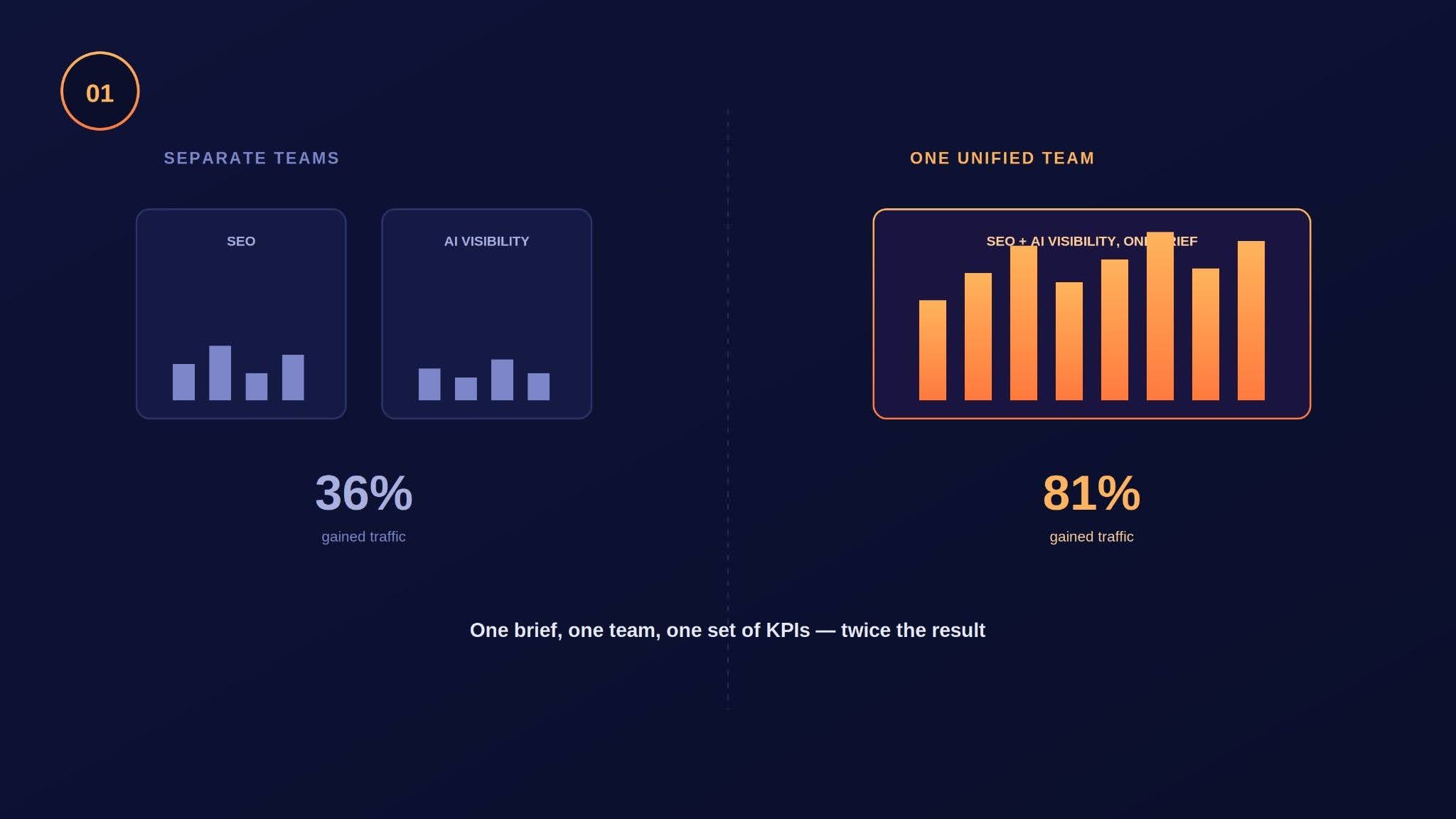
Adobe-owned Semrush expanded its AI Visibility Index to 126 million U.S. AI search prompts collected between January and April 2026, and the companion survey delivers the clearest number yet on why organizational structure matters. Among organizations that fully integrate SEO and AI visibility into one workflow, 81% reported increased traffic or leads from AI platforms, compared with only 36% among those managing the two as separate functions.
The context behind that gap is stark. AI-referred traffic to U.S. retail sites surged 1,324% between October 2024 and May 2026, with travel-site AI traffic climbing 2,215% over the same window. Yet 45% of marketing leaders admit they cannot accurately measure their brand’s visibility inside AI-generated answers, and only 9% say they have the tools to track every relevant AI metric. Most teams are chasing a channel they can barely see.
| KEY TAKEAWAY
Stop running SEO, content, and PR as separate reporting lines. Merge the brief, the team, and the KPIs around one AI-visibility goal, as the 45-point performance gap says the structure matters more than any single tactic. |
Source: Adobe: 81% of brands using unified AI-SEO strategy gain traffic — PPC Land
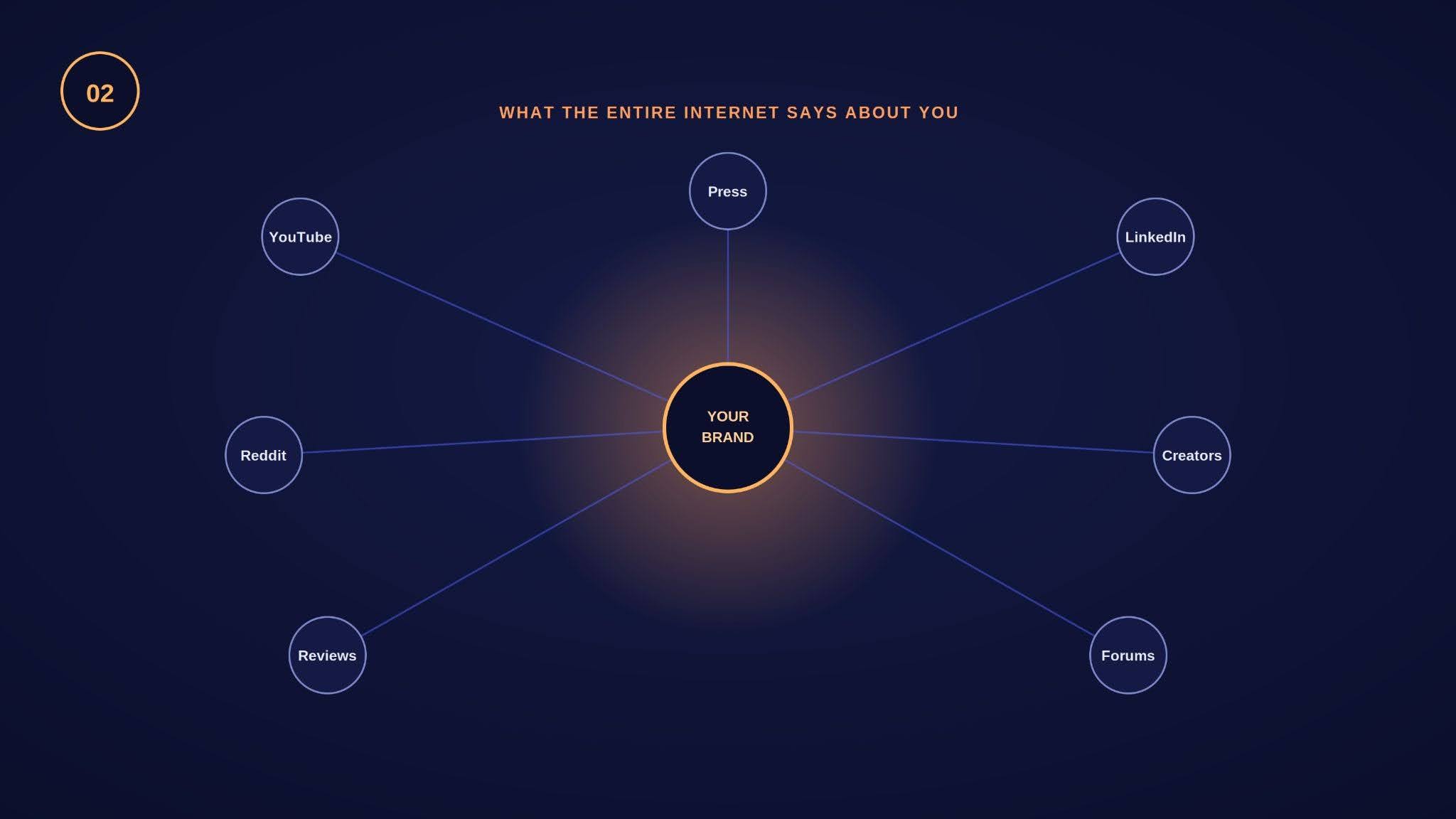
A new VaynerX x Profound report, “*The CMO’s AEO Guide*,” analyzed thousands of brand recommendations across six major AI platforms and found that AI-powered brand discovery is increasingly shaped by third-party content rather than brand-owned messaging, with citations from social and user-generated content rising across five of the six platforms studied and, surprisingly, YouTube growing fastest of all.
But social buzz alone isn’t the whole answer.
“AI trusts what the internet says about you before it trusts what you say.”
— Gursharan Singh, Co-founder, WebSpero Solutions
The brands that surfaced most often are the ones with broad authority spanning publishers, review sites, creator content, community discussions, and owned channels together, and each platform builds that trust differently: Google leans on YouTube, ChatGPT leans on Reddit and reviews, Copilot leans on LinkedIn and Microsoft’s own ecosystem. AI also moves fast: the median time between publishing and first citation was just 6.8 days, with 90% of content cited within roughly 37 days.
| KEY TAKEAWAY
Reviews, creator mentions, and community discussion aren’t a side effort anymore; they’re the input AI reads before your own website. Fund the earned-media and creator relationships that generate that chatter, and the recommendations follow on their own. |
Source: Why SEO alone won’t win AI recommendations — Marketing-Interactive
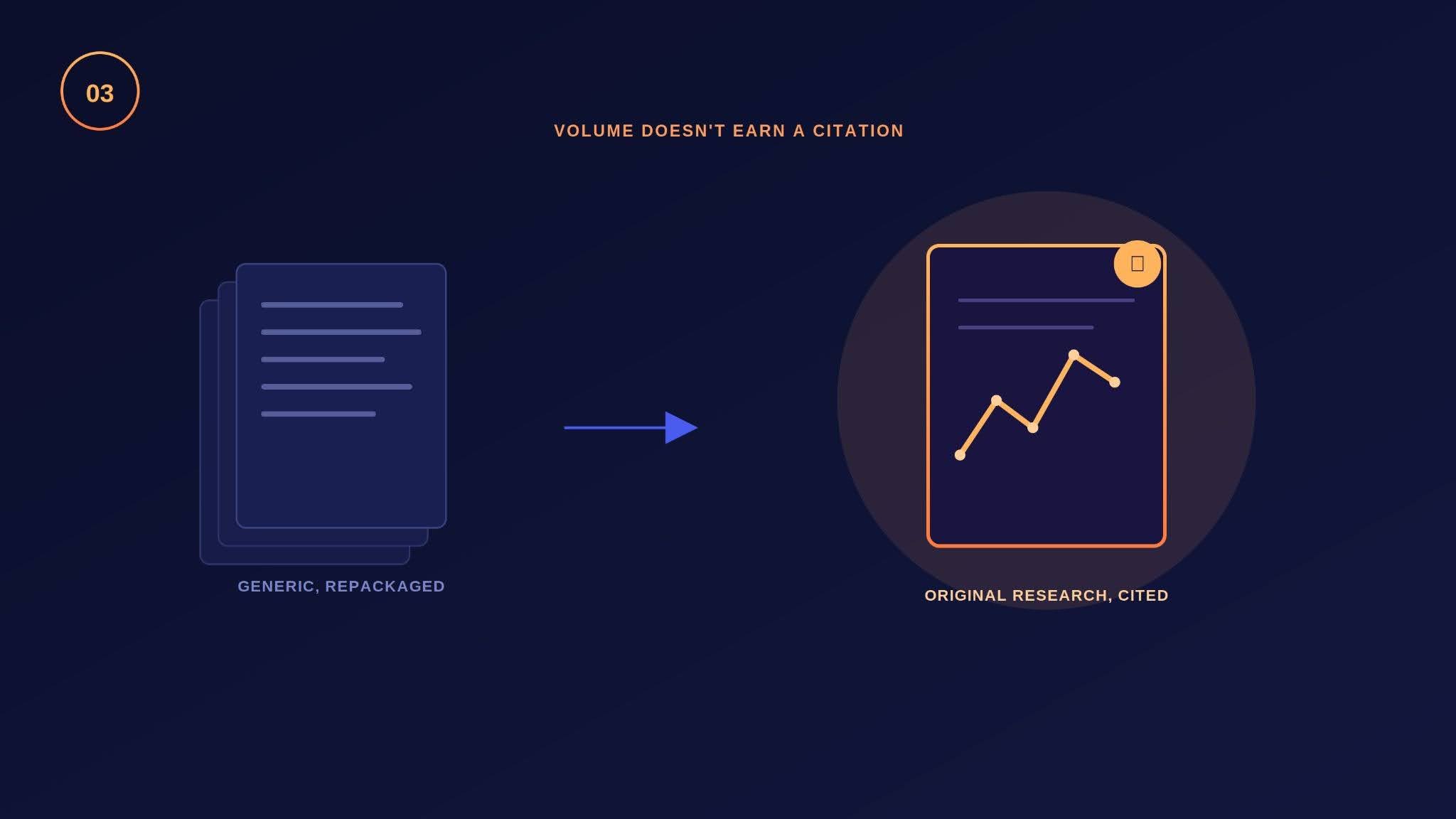
Some experts have laid out the mistake they see most often across GEO strategies: businesses assume that because AI can summarize anything, publishing volume is what matters. It isn’t.
AI systems can only reference information that already exists, which means original research, firsthand expert opinion, and practical lessons are what actually earn a citation, and generic, repetitive content just adds noise to an already-saturated pool.
Also, gating the best material behind lead forms. Locking insights away may capture a few emails, but it keeps AI systems from ever discovering and citing that content in the first place. The brands winning this phase are the ones publishing their sharpest thinking in the open, not behind a form.
| KEY TAKEAWAY
Audit your content pipeline for what’s actually original; this includes proprietary data, named experts, real anecdotes versus what’s just repackaged. Ungate the insight-heavy pieces; that’s the content AI remembers when a buyer is finally ready to act. |
Source: SEO Isn’t Dead — But Winning Search Now Requires a New Playbook — Entrepreneur
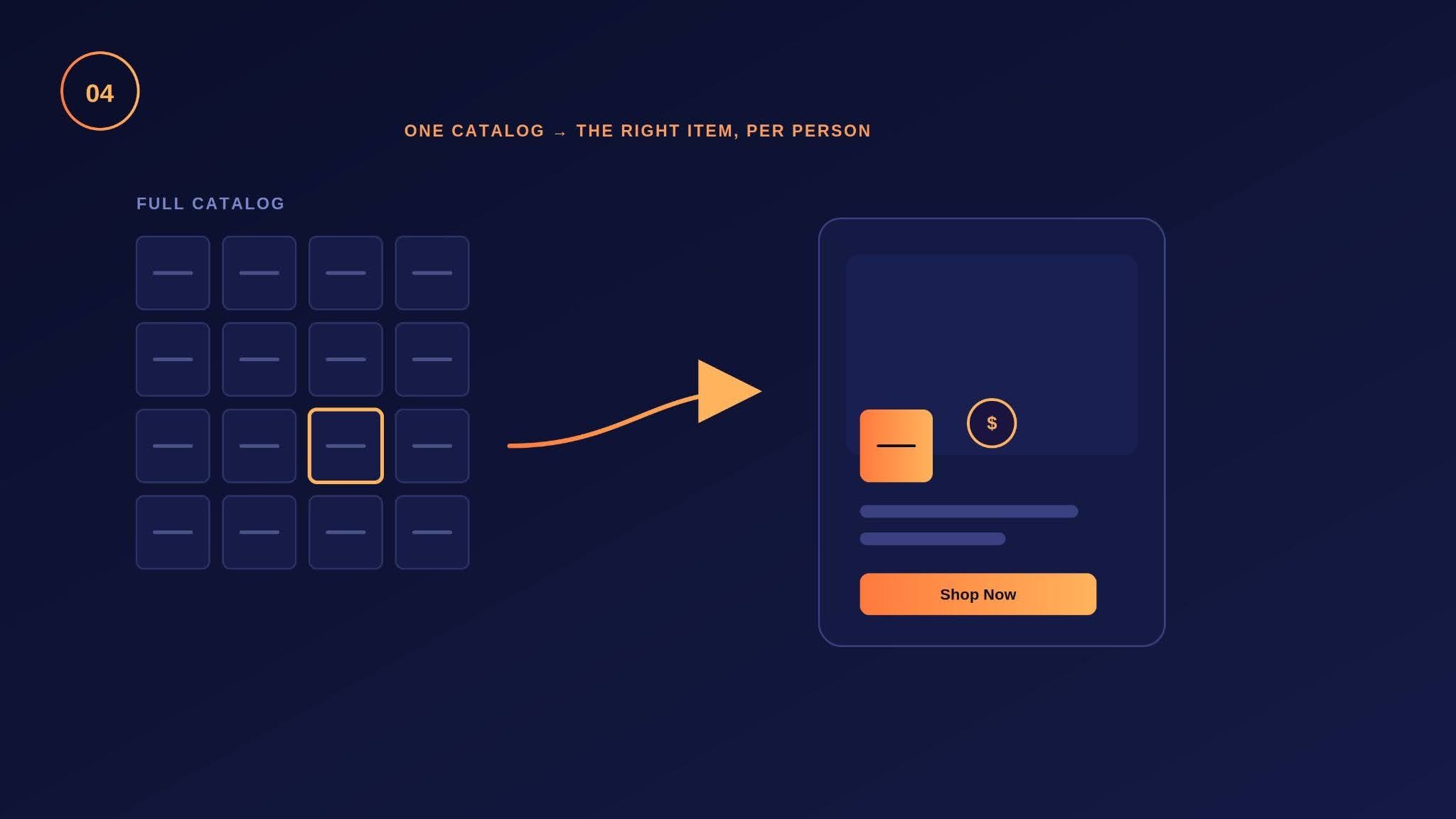
Meta widened access to Advantage+ Catalog Ads this week, moving the format from a niche option to something far more advertisers can use. Instead of manually building a separate ad for every product, the system automatically suggests and shows each person the items most relevant to them, based on their interests, shopping behavior, and purchase intent. It rolled out alongside Muse Image for Businesses, which lets advertisers generate marketing images from text prompts, produce multiple creative versions, and edit or swap visuals across campaigns.
For catalog-heavy advertisers, the manual work of building individual ad sets by SKU is exactly what this is designed to remove, and the system studies browsing and shopping signals and assembles the match itself.
“Advertisers stop guessing the product, and honestly, the catalog studies the shopper’s behavior and makes the match itself.”
— Gursharan Singh, Co-founder, WebSpero Solutions
| KEY TAKEAWAY
If you’re still hand-building ads per product line, that effort is now largely redundant. Feed Meta a clean, well-tagged product catalog and let Advantage+ handle the person-to-product matching; your time is better spent on catalog hygiene than manual ad builds. |
Source: Social media updates and new features to know this week — PR Daily
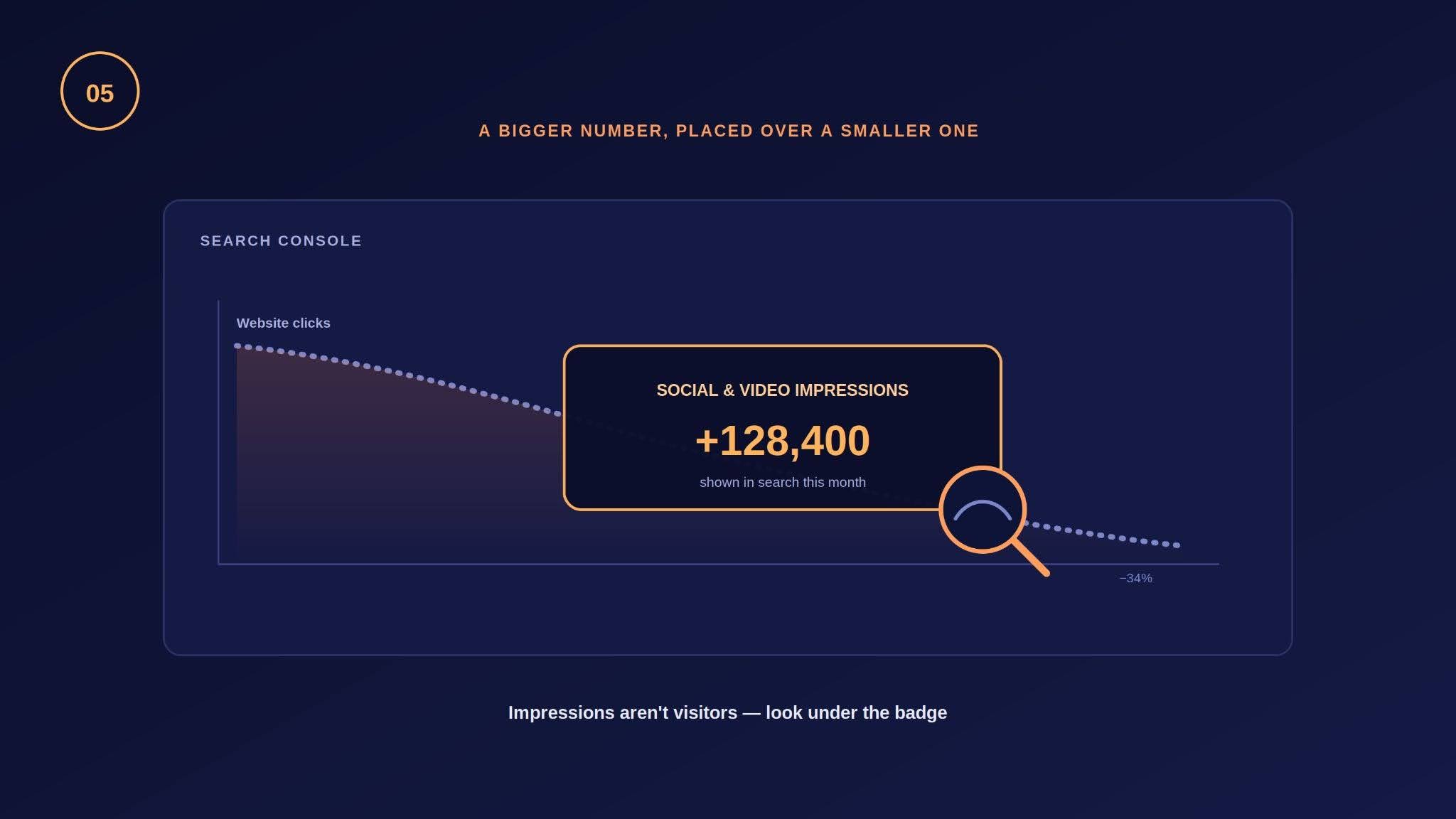
An uncomfortable read of Google’s newest Search Console update, which now lets brands track how their social and video posts perform inside search. On the surface, it looks like a gift. Underneath, it’s also doing two things at once: masking the click loss AI Overviews and AI Mode are causing on the web, and quietly pulling verified creator identity data into Google’s own entity-resolution training.
Experts’ warning is direct: if your website traffic drops by a third, Google can now point you to thousands of social impressions on the search page and suggest you’re “still winning”, even though none of those impressions send an actual visitor anywhere. Verifying your social accounts inside Search Console, meanwhile, hands Google exactly the identity map it needs to decide who counts as a real authority versus AI-generated spam.
| KEY TAKEAWAY
Don’t let one platform’s dashboard define your visibility. Build a real, owned presence across social, video, and search so people can find and reach you directly, and treat every new “visibility” metric a search engine offers as one data point, not the scoreboard. |
Source: Google Is Using Social Media Signals To Mask AI Search Click Loss — Search Engine Journal
We publish a weekly roundup of the most important updates in SEO, paid search, content strategy, and AI-driven marketing — every week, no noise.