
SEO Case Study
Barcode Authority Built Through Search
Positioning a barcode registration platform as the definitive answer to how, where, and why businesses buy UPC codes turned a sparse keyword footprint into 2,137 ranked terms and a dominant SERP presence across the full purchase journey.
Client
UPCs.com
Niche
Barcode Registration / UPC Code Retail
Duration
6-Month Campaign
+1,057%
Traffic growth

+1,187
New keywords ranked
+179
New SERP feature placements

The Client
UPCs.com: Barcode Registration for Product Sellers
UPCs.com sells UPC barcodes to product sellers, small businesses, and e-commerce brands that need compliant product identifiers for retail listings, Amazon, and supply chain requirements. The platform serves buyers at the point of needing a barcode, typically small businesses registering products for the first time, with no branded traffic and a keyword base built entirely on non-branded purchase and lookup queries.
THE CHALLENGE
A Purchase-Intent Niche With Almost No SERP Presence

Top 3 Rankings Too Thin to Drive Volume
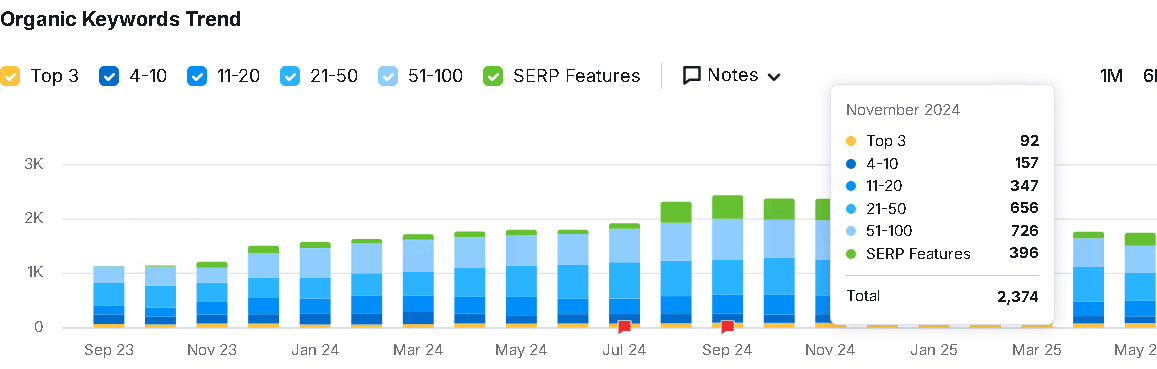
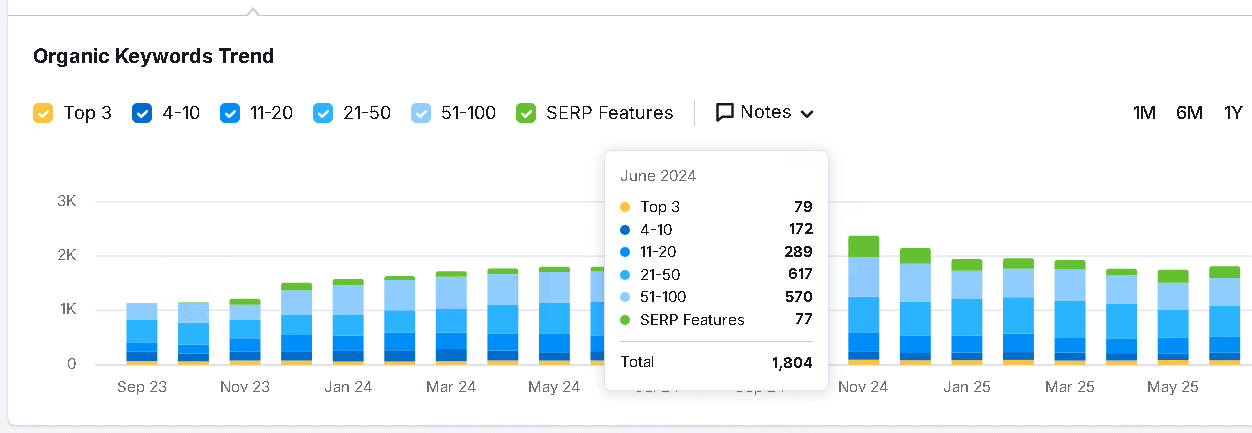
At campaign start, only 22 keywords ranked in the top 3, with 416 sitting in positions 51-100. The site had indexed relevance across barcode-related terms but lacked the on-page depth to move those rankings into positions that generate meaningful click volume on transactional queries.

Competing Against Institutional Sources
The barcode query space is partly occupied by standards bodies and large registry platforms that hold strong authority on informational terms. Capturing traffic required building content that answered the specific questions buyers have about purchasing and using UPC codes rather than competing on broad definitional terms where incumbents were already entrenched.

Near-Zero SERP Feature Capture
With only 2 SERP feature placements at campaign start, the site was absent from the structured results that dominate barcode query pages. Buyers searching for compliance requirements, format differences, and purchase options encounter featured snippets and PAA boxes before reaching organic listings, making SERP feature absence a significant visibility gap at the top of the funnel.

Research-Heavy Buyer Journey
71.1% of the site’s keyword base carries informational intent, reflecting buyers who arrive with questions before they are ready to purchase. Without content that served this research phase, the site could not build the trust needed to convert those visits into purchase-stage traffic on transactional terms.
Our Approach
Full-Funnel Content for a Single-Decision Purchase
Our strategy for UPCs.com was built on one insight: buyers in this category do not arrive ready to purchase. They arrive with questions about compliance, format, and validity. We focused on building content that answered the full sequence of those questions, so the site became the trusted source before the purchase decision formed and captured the transactional query as a natural downstream result.
Buyer Journey Query Mapping
Every stage of the barcode purchase journey was mapped to its corresponding search queries, from initial questions about UPC validity and third-party code acceptance, through to retailer-specific and format-specific compliance questions. Pages were built or restructured to address each stage directly, creating a content path that moved buyers from research to purchase within the site.
SERP Feature Capture on Compliance Queries
Compliance and format queries produce high SERP feature density because buyers are looking for clear, verifiable answers. Content was restructured with direct-answer blocks, comparison tables, and question-based headers to capture featured snippets and PAA placements. SERP feature coverage grew from 2 to 181 placements, placing the site visibly above organic listings during the research phase where trust is formed.
Purchase Term Position Elevation
The Impact
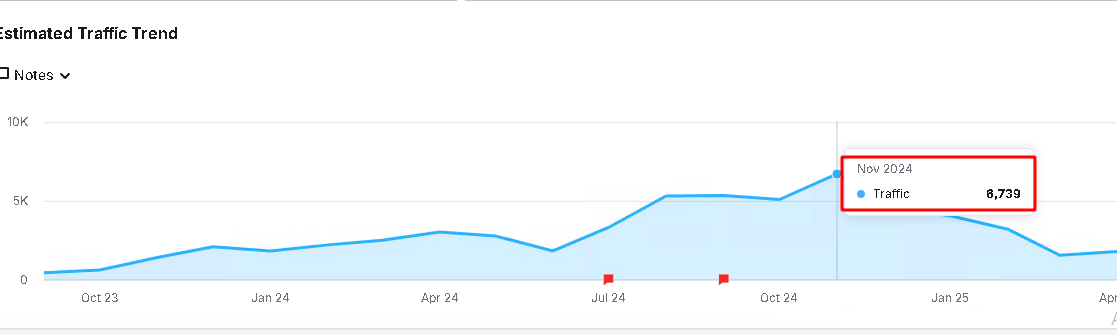
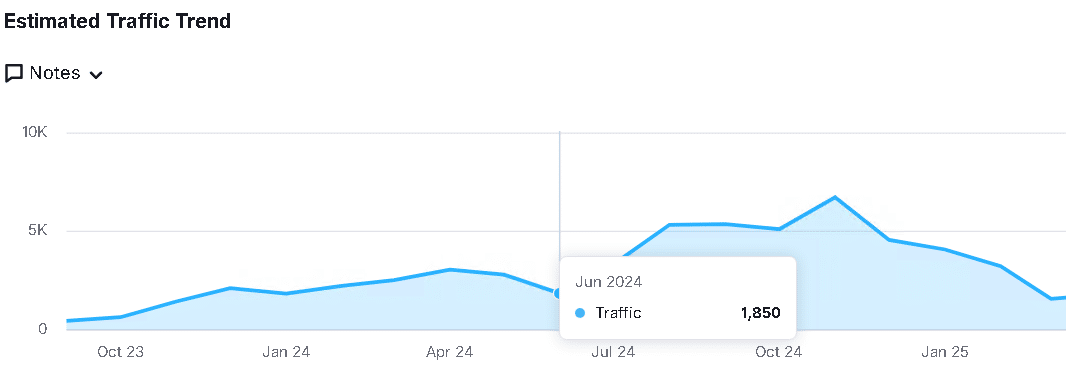
229 to 2,650 Monthly Visitors Across Six Months


+1,057%
Monthly organic traffic (229 → 2,650)
+1,187
New keyword rankings (950 → 2,137)
+179
New SERP feature placements (2 → 181)
“Rather than chasing broad informational traffic, the gains were concentrated inside commercial and transactional intent, positioning Eagle Leather at the exact point in the search journey where riders are deciding what to buy, from whom, and at what specification.”
Actionable Insights
What Niche Registration and Compliance Platforms Can Learn
Informational Traffic Converts When It Is Sequential
High informational intent is not a reason to deprioritise a keyword. In categories where buyers research before purchasing, content that answers the right questions in the right order builds the trust that makes transactional pages convert. The key is ensuring the content path leads toward a purchase decision rather than ending at an answer.
SERP Features Are the Top of the Funnel
In compliance and specification categories, featured snippets and PAA boxes appear above organic listings and are where buyer research begins. Platforms absent from these surfaces are invisible during the phase when purchase trust is formed. Structuring content for feature capture secures visibility before a buyer has decided where to purchase.
Niche Topical Authority Is Hard to Displace
In tight-category markets with a defined set of relevant queries, building comprehensive coverage early creates a structural barrier for competitors. Once a platform ranks across the full spectrum of buyer questions in a niche, displacing it requires matching that coverage page by page, which demands sustained investment from any challenger.
Single-Decision Purchases Need Full-Funnel Coverage
Products where buyers make one specific, compliance-driven decision generate research queries that outnumber purchase queries significantly. Platforms that only optimise for the purchase query miss the majority of the funnel. Full-funnel coverage captures buyers earlier and makes the purchase-stage page the natural next step rather than a cold landing.