
SEO CASE STUDY
Dominating Sleep Tech via Intent-Based Search Strategy
How a patented bed climate control brand captured symptom-stage search demand — and built organic visibility across an entire product category being discovered in real time.
Client
BedJet
Niche
Sleep Solutions & Bed Climate Control
Duration
4-Month Campaign
+34%
Traffic growth
75K
Monthly visitors
+34%
Traffic growth
+19K
Net new sessions/mo
+9.7K
New keywords ranked

The Client
Bedjet: Engineering The Ideal Sleep Temperature
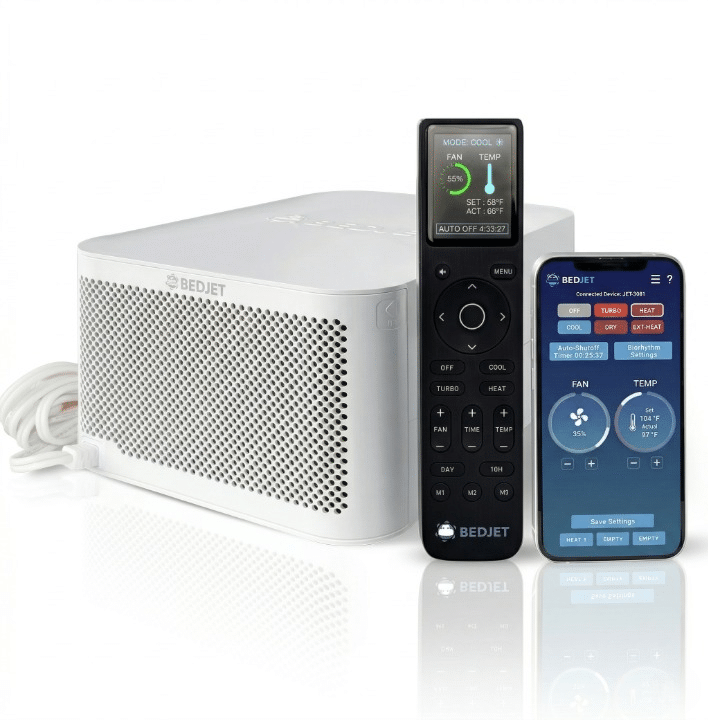
An American direct-to-consumer brand making air-based climate control systems for beds. Unlike water-cooled mattress pads or electric blankets, BedJet circulates warm or cool air directly into the bed through a patented airflow system — no mattress alteration, no added weight, no complex installation. The flagship BedJet 3 features biorhythm sleep technology with programmable temperature scheduling and dual-zone capability for couples with different sleep preferences.
THE CHALLENGE
A Category Being Discovered In Real Time — By Both Consumers And Competitors

Symptom-First Search Behaviour
Most consumers don’t search for “bed climate control” — they search for symptoms like “sweating in bed at night,” making category-level SEO insufficient on its own.
Well-Funded Competitor Pressure
Well-capitalized D2C sleep tech brands had aggressive SEO programs specifically targeting the same solution keywords BedJet needed to own.
Undifferentiated Product Pages
The technical distinction between air-based and water-based cooling was not clearly explained on product pages, reducing conversion from education-intent organic traffic.
Thin Comparison Coverage
High-intent comparison searches — users already evaluating BedJet against alternatives — had no dedicated content to capture them before competitors did.
Our Approach
Symptom-To-Solution Content Architecture + Technical Differentiation Messaging
Our strategy for BedJet was built around a single insight: most people searching for sleep cooling solutions don’t yet know a product like BedJet exists. We focused on meeting them at the symptom — before they reached the comparison stage — and building the content architecture to carry them all the way through to conversion.
Problem-Aware Content Strategy
Articles targeting symptom-based queries — “why do I sweat so much at night,” “how to cool down your bed,” “solutions for hot sleepers” — captured awareness-stage users researching their problem before they know a product solution exists.
Competitive Comparison Pages
Head-to-head comparison content explaining the air-based vs water-based cooling difference captured high-intent comparison shoppers and built competitive authority in the category.
Product Page Depth Overhaul
Product pages were rewritten with expanded technical specifications, FAQ sections addressing common objections, installation and compatibility content, and schema markup for product, review, and FAQ rich results.
The Impact
34% Traffic Growth And Nearly 10,000 New Keyword Rankings In Four Months
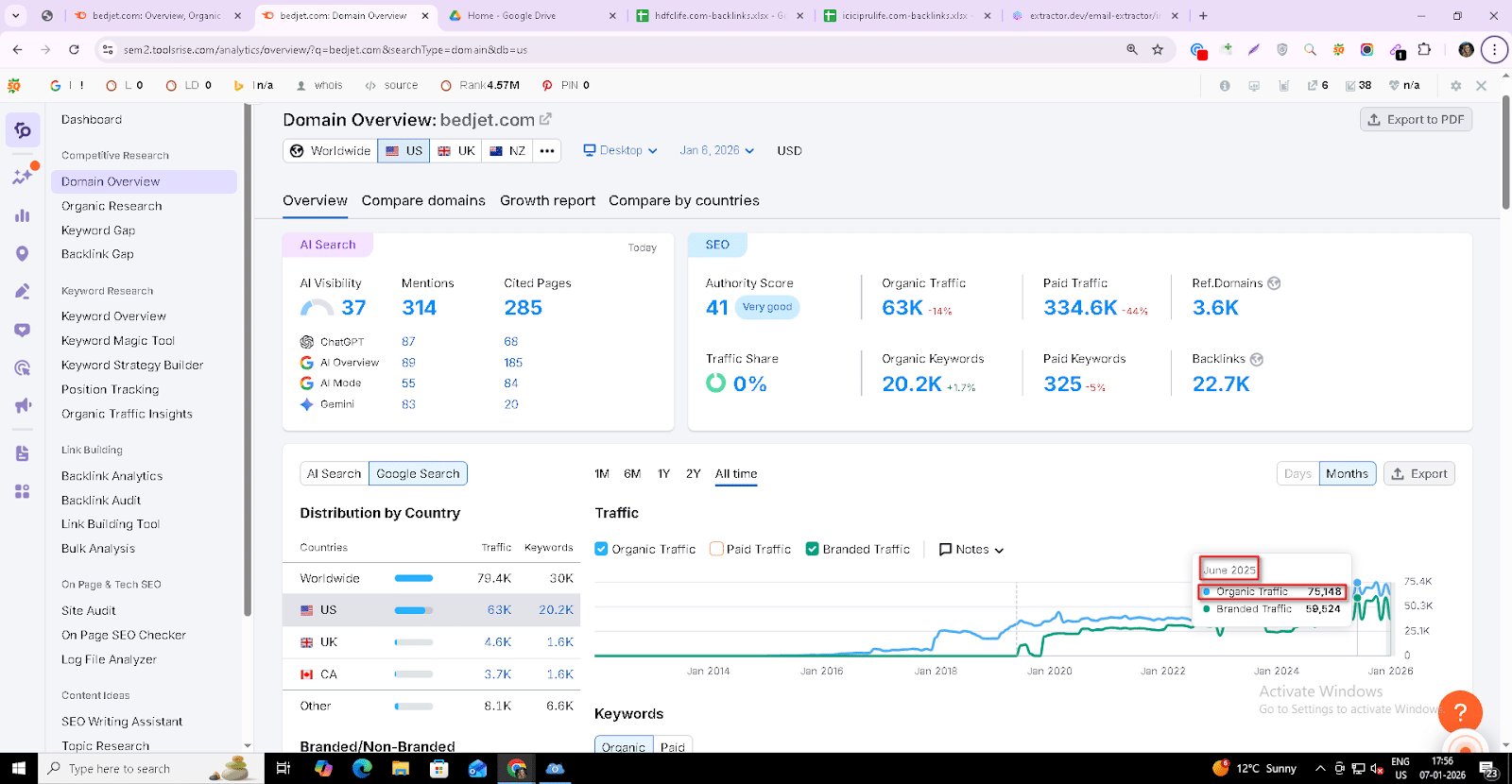
55K → 75K
Monthly Organic Traffic
+34%
Traffic Growth
+19,246
Net new visitors/mo
+9,712
New keyword rankings
“BedJet now captures organic traffic at every stage of the sleep-tech purchase journey — from the first symptom search through to competitive comparison and final purchase decision.”
Actionable Insights
What Brands In Emerging Wellness Categories Should Know
Symptom-First Beats Product-First
In categories where consumer education precedes product awareness, symptom-to-solution content is more scalable than product-first SEO — and captures demand before competitors enter the conversation.
Comparison Content Builds Authority
Comparison pages aren’t just for late-stage shoppers. They signal competitive depth to Google and position a brand as the authoritative voice in its category — not just one option among many.
Early Movers Own Emerging Categories
The brands that build topical authority before a category matures own it when search volume scales. Waiting until competition is heavy means starting from behind.
Differentiation Lives On The Page
Technical product advantages only convert when they’re explained where organic traffic lands. Product pages need to educate, not just describe — especially for innovative or unfamiliar products.